
The Nature of Luck in Gambling
Luck is often perceived as an arbitrary force that influences outcomes in various aspects of life, and in the realm of gambling, it holds a particularly significant place. The element of luck is woven into the fabric of games that involve chance, such as slot machines, roulette, and craps. Players often rely on the belief that luck can swing the odds in their favor, creating an emotional response that can enhance the gaming experience. This very notion—that fortune may smile on a player—can be as exhilarating as the potential for financial gain, especially when considering options like online sports betting canada , which adds another layer of excitement. The thrill of chance and the allure of luck are central to the overall appeal of casino gaming.
In many casino games, the outcome is determined largely by random number generators or physical chance mechanisms, which means players cannot control the outcome. The unpredictability of such games means that no matter how strategic a player’s approach is, luck remains a dominant factor. Some players embrace this unpredictability, diving into the excitement with a belief that luck is a game companion that can change their fortunes with just one spin of the wheel or pull on the lever. This relationship between players and luck is often what keeps individuals returning to the casino, eager to experience that rush of fortune.
Moreover, the psychology of luck plays a role in players’ attitudes toward risk-taking. When individuals experience a winning streak, they often attribute their success to luck, leading them to take bolder risks, believing they are in a ‘lucky’ phase. This phenomenon can motivate players to continue gambling, reinforcing the idea that luck is not just a chance occurrence but a tangible force that can influence their destiny at the casino. As such, recognizing the role of luck can enhance a player’s understanding of their gambling experience, making it all the more thrilling and unpredictable.
The Role of Probability in Casino Games
While luck significantly impacts gambling outcomes, an understanding of probability is essential for players who aspire to succeed in casinos. Each game has a mathematical framework that governs the likelihood of winning or losing, which is often stacked in favor of the house. For example, the odds of hitting a jackpot on a slot machine might be 1 in 1,000,000. Understanding these odds does not negate the role of luck; instead, it provides players with insight into how often they might experience favorable outcomes. By grasping the probabilities, players can make more informed decisions while navigating the gaming landscape.
Players who engage in games such as poker or blackjack can apply strategies based on probability, yet even these games contain a significant element of luck. A player may know the percentages of winning with certain hands in poker, but the cards dealt are ultimately determined by chance. Consequently, even the most skilled and knowledgeable players must contend with luck’s unpredictable nature, which can undermine their advantage at any moment. This interplay between strategy and luck creates a dynamic environment where both elements influence outcomes, making every betting round an exciting gamble.

This interplay fosters a deeper appreciation for the games, highlighting that while strategies can enhance a player’s chances, luck can intervene at any moment. Acknowledging the role of luck allows players to temper their expectations and manage their emotions, fostering a more enjoyable experience at the tables. Players who grasp the balance of probability and luck are better equipped to navigate the highs and lows of the gambling experience, enhancing their overall success and satisfaction.
The Emotional Impact of Luck on Players
Luck has a profound emotional impact on those who frequent casinos, influencing their decision-making and overall gaming experience. Winning can elicit feelings of euphoria, while losing often leads to disappointment or frustration. These emotional responses can be powerful motivators, prompting players to gamble more in hopes of recapturing that ‘lucky’ feeling. This emotional rollercoaster is integral to the appeal of gambling; players are drawn to the thrill of unpredictability and the chance of fortuitous outcomes. The highs of winning and the lows of losing create a captivating cycle that keeps players engaged.
The excitement generated by luck extends beyond individual games; it contributes to the atmosphere of the casino itself. The collective energy of players celebrating wins creates an infectious environment where hope and anticipation thrive. This social aspect amplifies the perception of luck, as players share stories of monumental wins and near-misses, building a narrative that reinforces the mythos surrounding luck in gambling. Such shared experiences can foster community and camaraderie among players, enhancing the overall casino experience.
Additionally, the impact of luck on a player’s self-image cannot be overlooked. Many individuals derive a sense of identity and confidence from their experiences at casinos. Winning streaks can foster a belief in one’s own luck or skill, potentially leading to more frequent visits to the gaming floor. However, this reliance on luck can also lead to irrational decision-making, as players sometimes chase losses, believing that luck will eventually turn in their favor again. Understanding these emotional dynamics helps elucidate the complex relationship between luck and gambling behavior.
The Myths and Misconceptions of Luck in Gambling
Despite the ubiquity of luck in gambling, numerous myths and misconceptions persist that can mislead players. One common fallacy is the belief in ‘hot’ or ‘cold’ machines or tables—where players think that certain games are more likely to yield wins during specific periods. While players may experience streaks of luck, the reality is that each spin or hand is an independent event, and prior outcomes do not influence future results. Understanding the nature of these myths helps players maintain a rational perspective as they engage in gaming, allowing them to enjoy the experience without undue expectations.
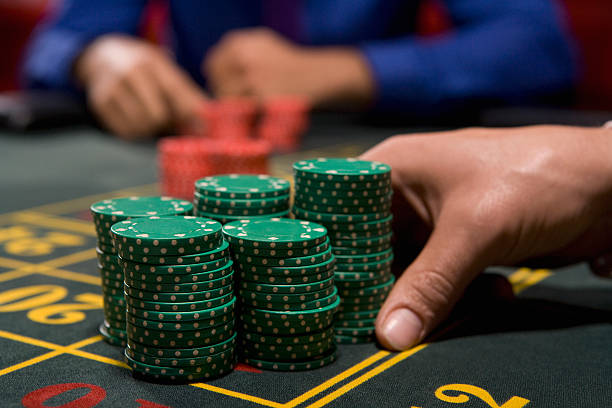
Another misconception revolves around the notion of skill translating into luck. Many players assume that experienced gamblers possess a higher degree of luck due to their knowledge and expertise. While skill can enhance a player’s strategy, it does not guarantee favorable outcomes, as luck remains an unpredictable factor. This misconception can lead newcomers to underestimate the role of chance, potentially resulting in significant losses in their pursuit of understanding the games. Players must be educated about these fallacies to approach gambling more wisely.
These myths often create a false sense of security among players. By believing they can control luck through rituals, superstitions, or strategies, many overlook the essential truth that luck cannot be manipulated. Education and awareness about the myths surrounding luck can empower players to approach gambling with a clearer understanding. This mindset allows them to enjoy the experience while navigating the inherent uncertainties of the games they play, ultimately leading to a more satisfying and responsible approach to their gambling activities.
Understanding Your Journey at the Casino
Navigating the casino landscape requires an understanding of both luck and personal motivations. Players who recognize that luck is a fundamental component of their gaming experience can tailor their approach to maximize enjoyment while minimizing potential losses. It’s crucial to set realistic expectations, acknowledging that luck will invariably play a role in their success, regardless of skill level or strategy employed. This acceptance of luck as a variable can lead to a more balanced and enjoyable experience.
Moreover, players should focus on their individual journey rather than comparing themselves to others. Each person’s experience at the casino is unique, and understanding that luck can ebb and flow helps players maintain a balanced perspective. Sharing moments of victory or defeat with other players can foster community, while also reminding individuals that luck is an unpredictable force that everyone grapples with. This shared journey can cultivate a sense of belonging among gamblers, enriching the overall experience.
This journey is not merely about monetary gain; it embodies the thrill of chance, the atmosphere of possibility, and the social connections formed in the process. Embracing the duality of luck and personal experience can ultimately lead to a more fulfilling and enriching time spent within the casino environment, transforming it from a mere gaming venue into a place of excitement, camaraderie, and chance. Recognizing this can enhance both the emotional and social aspects of gambling, making it a memorable part of one’s life.